

Last updated: June 30, 2026
Want to spend crypto like cash? This guide explains how a crypto debit card works, what it costs, the rewards on offer, and how to launch your own. It is written for consumers comparing cards and for businesses weighing a branded program. You will get plain answers on fees, taxes, acceptance, and security, plus a comparison of leading options in 2026.
Researching a branded program instead? See our white-label crypto cards for the business view.
Key takeaways
- A crypto debit card lets you spend cryptocurrency at regular stores by converting it to local currency at the moment you pay.
- These cards run on Visa or Mastercard, so they work anywhere those networks are accepted, at over 80 million merchant locations worldwide.
- Spending crypto is usually a taxable event, because the IRS treats digital assets as property (IRS, 2026).
- Rewards vary widely; advertised cashback can reach 10%, but effective rates after caps and fees often land near 0.8% to 3%.
- Watch the fees, since conversion spreads, foreign transaction fees, and ATM charges can erase the rewards.
What is a crypto debit card and how does it work?
A crypto card is a payment card that draws on your cryptocurrency balance instead of a bank account. When you tap or swipe, the provider converts your crypto to fiat in real time and pays the merchant in their local currency. To you it feels like any other card, but the funding source is digital assets.
Most crypto cards are issued by an exchange or wallet app in partnership with Visa or Mastercard. Some are custodial, meaning the provider holds your assets, while others are self-custody and pull from a crypto wallet you control until the moment of payment. Either way, crypto debit cards bridge the gap between digital assets and everyday spending. For a broader primer, see what is a crypto card.
Types of crypto cards
Crypto cards come in three main types: debit, credit, and prepaid. Each funds purchases differently, so the right pick depends on whether you want to spend, borrow, or budget. Knowing the differences helps you compare crypto cards on equal terms.
Crypto debit cards
Crypto debit cards link directly to a digital asset wallet or exchange balance. You spend what you hold, and the card converts crypto to fiat at the point of sale. This is the most common type for everyday purchases.
Crypto credit cards
Crypto credit cards work like normal credit cards but pay rewards in cryptocurrency. With these crypto credit cards, you borrow from the issuer and repay later, while earning crypto back on spend. Some products, like dual-mode cards, also let you borrow against your holdings instead of selling them. Note that crypto credit cards are mostly available in select regions and may run a credit check.
Prepaid crypto cards
Prepaid crypto cards let you load a set amount of cryptocurrency before you spend. They suit budgeting and gifting, since you cannot overspend the loaded balance. Many prepaid crypto cards issue instantly as a virtual card for online use.
Is a crypto debit card worth it?
A crypto card is worth it if you hold crypto and want to spend it without manually selling and transferring to a bank first. It removes friction, works at millions of merchants, and can earn rewards on everyday purchases. For active crypto users, that convenience is the main draw. Compared with other crypto cards, debit options keep spending simple.
The trade-offs are fees and taxes. Conversion spreads, ATM charges, and sometimes monthly fees can outweigh modest cashback. Each purchase may also trigger a taxable event. If you rarely hold crypto or spend mostly from a bank balance, a normal debit card may serve you better. Weigh your spending habits before you commit.
Can you use a crypto debit card anywhere?
Yes, you can use a crypto card almost anywhere that accepts Visa or Mastercard. That covers over 80 million merchant locations worldwide, plus online checkouts and ATM withdrawals (Mastercard, 2026). The card shows up to the merchant as a standard payment, so they do not need to support crypto.
There are limits to keep in mind. Availability depends on your country, since some cards are not offered in the US or are restricted to certain regions. A few merchant categories may block these cards, and ATM withdrawals often carry extra fees. Always check regional availability before you rely on one card.
Can you get a physical crypto card?
Yes, most providers offer a physical card alongside a virtual one. A physical card works for in-store taps, chip payments, and ATM withdrawals, while the virtual version is ready instantly for online purchases. Many users start with the virtual card and order plastic later.
Premium tiers sometimes ship a metal physical card with higher limits or extra perks, often for an annual fee. Some issuers have paused physical card orders in certain regions, so confirm current availability. If you mainly shop online, a virtual card may be all you need.
Can the IRS see your crypto wallet?
In many cases, yes, the IRS can see activity tied to your crypto wallet. Centralized exchanges and custodial providers report digital asset sales to the IRS, and Form 1099-DA covers broker transactions starting with the 2025 tax year (IRS, 2026). Blockchains are also public ledgers, and the IRS uses analytics tools to trace activity.
Spending crypto with a debit card is treated as a disposal, so it can create a taxable gain or loss. The IRS classifies digital assets as property, which means you report gains and losses on your return even without a form. This is general information, not tax advice, so consult a tax professional for your situation. Good records of cost basis make filing far easier.
Crypto debit card fees to watch
The main fees on a crypto card are conversion spreads, foreign transaction fees, and ATM charges. Conversion happens every time you spend, and the spread between the market rate and the card rate is an indirect cost. Some cards add a separate crypto liquidation fee on top.
Other costs can add up quickly. Premium or metal cards may carry an annual fee, and ATM withdrawals often cost a percentage after a free monthly cap. Many crypto debit cards advertise no foreign transaction fees, which helps travelers, but always confirm the fine print. Compare total fees against any rewards before you choose.
Cashback and crypto rewards
Many crypto debit cards pay rewards, but the real rate is usually lower than the headline. Advertised cashback can reach 10% on some cards, yet caps, fees, and token requirements pull effective cashback down to roughly 0.8% to 3% for most users (CryptoSlate, 2026). Read the fine print before you chase a number.
A few examples show the range, with rates current as of mid-2026 and subject to change. The Coinbase Card pays up to about 4% in crypto on a rotating basis, while the Crypto.com Visa pays 1% and rises with CRO staking. Nexo offers up to 2% crypto rewards, but only in its Credit Mode. The MetaMask Card pays 1% on the free virtual card and 3% on the first $10,000 spent with its paid metal tier. Treat every rate as a maximum, and confirm it with the provider.
Mobile payment integration
Most crypto debit cards work with mobile wallets, so you can pay by phone. After issuance, you add the card to Apple Pay or Google Pay and tap to pay at any contactless terminal. This pairs the speed of a crypto card with the security of tokenized mobile payments.
Mobile support widens where you can spend. Because Apple Pay and Google Pay are accepted at the same terminals as contactless cards, your reach matches the Visa or Mastercard network. Virtual cards shine here, since you can add one to Apple Pay or Google Pay seconds after approval, before any plastic arrives. That makes a crypto card useful from day one, and it works in Apple Pay and Google Pay right away.
Security features
Crypto debit cards include the same core protections as bank cards, plus a few crypto-specific ones. Standard features include a PIN, EMV chips, two-factor authentication, and the ability to freeze a card instantly if it is lost or compromised. Card networks like Mastercard also run fraud monitoring and apply AML checks on crypto programs.
Custody is the extra factor to weigh. With custodial cards, the provider holds your assets, so their security and policies matter. With self-custody cards, your crypto stays in your own wallet until you pay, which reduces exposure if the provider is breached. Either way, look for PCI DSS compliance, encryption, and clear dispute support. Always confirm where your funds are held before you load a card.
Best crypto debit cards in 2026 compared
The table below compares widely used crypto cards so you can scan options fast. Rates and availability change often, so confirm details with each provider before signing up.
Card
Network
Rewards (mid-2026)
Custody
Notable
Coinbase Card
Visa
Up to \~4% in crypto, rotating
Custodial
\~2.49% conversion fee; US and EU
Crypto.com Visa
Visa
1%, up to \~5% with CRO staking
Custodial
Tiered; staking required for top rates
Nexo Card
Mastercard
Up to 2% in Credit Mode only
Custodial
Not in US; physical orders paused
MetaMask Card
Mastercard
1% virtual, 3% on first $10k (metal)
Self-custody
Spend straight from your wallet
Bybit Card
Mastercard
Up to \~10%, capped
Custodial
Effective rate often \~2-4%; limited US
Coinbase Card
The Coinbase Card is a Visa debit card that spends directly from a Coinbase balance with no annual fee. It offers rotating rewards and easy setup for existing users, though a conversion fee applies on spend.
Crypto.com Visa
The Crypto.com Visa is a debit card with tiered cashback that rises as you stake its CRO token. Base spend earns 1%, with higher tiers unlocking more, but the top rates need large stakes.
Nexo Card
The Nexo Card is a dual-mode Mastercard that switches between debit and credit. It pays up to 2% rewards in Credit Mode, lets you borrow against holdings, and is currently unavailable in the US.
MetaMask Card
The MetaMask Card is a self-custody Mastercard that spends tokens straight from your wallet. The virtual card is free with 1% back, while the paid metal tier adds 3% on the first $10,000 spent each year.
Bybit Card
The Bybit Card is a Mastercard debit card tied to a Bybit account, offered in virtual and physical formats. It advertises up to 10% cashback, but caps and fees usually bring the effective rate closer to 2% to 4%, and US availability is limited.
How to launch your own crypto debit card
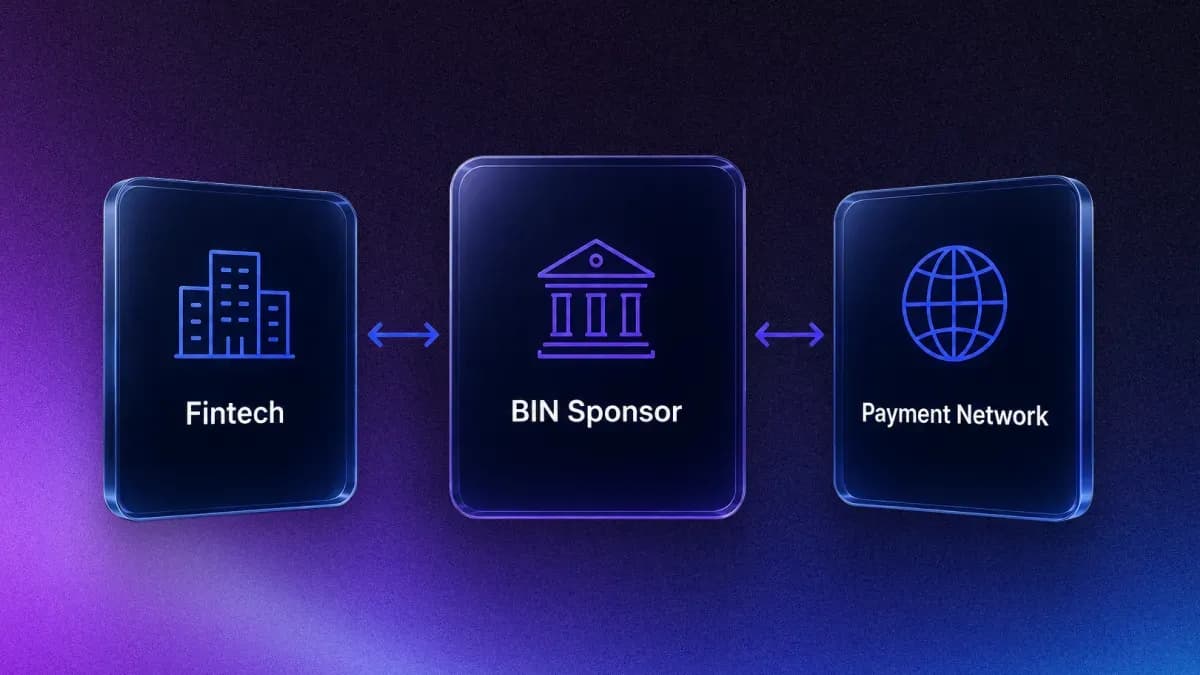
To launch your own crypto debit card, you partner with an issuer and a card network rather than build everything in house. A white-label provider supplies the card program, compliance, and conversion rails, while you keep your brand and customer relationship. This is how most fintech and crypto brands ship cards without becoming a bank. Branded crypto cards can match your product, tokens, and audience.
The launch path is faster than it looks. You define the card type and rewards, pass compliance like KYC and AML, connect funding from fiat or crypto, and go live with virtual and physical cards. To go deeper on the model, read our guide to white-label card issuing.
How SimplifyLabs helps
SimplifyLabs offers white-label crypto cards for fintech and crypto brands that want to issue their own debit cards. You launch a branded program with instant issuance, real-time spending controls, tokenization for Apple Pay and Google Pay, and inherited compliance. Cards can be funded by fiat or crypto, which fits brands building for crypto-native users.
This post is an educational comparison, not a sales pitch, and SimplifyLabs is one route among many. If a branded program fits your roadmap, explore our white-label crypto cards to see how it works.
Frequently asked questions
How does a crypto debit card work?
A crypto debit card works by converting your cryptocurrency to fiat at the moment you pay. You fund the card from a wallet or exchange balance, then spend at any merchant that accepts Visa or Mastercard. The provider handles the conversion in real time, so the merchant receives normal currency. You can also use the card for online purchases and ATM withdrawals.
Is a crypto debit card worth it?
It is worth it if you hold crypto and want to spend it without selling to a bank first. It adds convenience, broad acceptance, and crypto rewards on everyday purchases. The downsides are conversion fees, possible ATM and annual charges, and taxes on each spend. If you rarely use crypto, a standard debit card may cost you less.
Do crypto debit cards charge foreign transaction fees?
Many crypto debit cards advertise no foreign transaction fees, which makes them useful for travel. However, you may still pay a conversion spread when crypto is changed to fiat, plus ATM fees abroad. Premium tiers can also carry an annual fee. Always read the fee schedule, since the real cost of a card depends on conversion rates as much as on stated currency fees.
Can you use a crypto debit card anywhere?
You can use a crypto card almost anywhere Visa or Mastercard is accepted, which is over 80 million merchant locations worldwide. That includes online stores and ATMs. The main limits are regional: some cards are not available in the US or certain countries, and a few merchant types may decline them. Check availability in your region before relying on one.
Are crypto debit card rewards taxable?
In many jurisdictions, crypto rewards and the act of spending crypto can both have tax consequences. The IRS treats digital assets as property, so spending crypto is usually a taxable disposal. Card rewards may count as a rebate or as income depending on the rules and when you sell the reward. This is general information, not tax advice, so check with a professional.
What is the difference between crypto debit cards and crypto credit cards?
Crypto debit cards spend funds you already hold, converting crypto to fiat as you pay. Crypto credit cards let you borrow from the issuer and repay later, while earning rewards in cryptocurrency. Debit options suit tight budgets and instant spending, while crypto credit cards suit users who want rewards or to avoid selling crypto. Availability and credit checks differ by region.
Can businesses launch their own crypto debit card?
Yes, businesses can launch a branded crypto debit card through a white-label partner. The partner provides the issuing license, card network access, compliance, and crypto-to-fiat conversion, while you own the brand and customer experience. This lets fintech and crypto companies offer cards funded by fiat or crypto without building banking infrastructure from scratch.
Reviewed by the SimplifyLabs Payments Team. Last reviewed: 2026-06-30. This article is for general information and is not financial, tax, or legal advice. Card features, fees, rewards, and availability change often, so confirm current terms with each provider.
Sources
- IRS: digital assets, taxable transactions, and Form 1099-DA. https://www.irs.gov/filing/digital-assets
- Mastercard: crypto card programs and global acceptance. https://www.mastercard.com/
- The Block: best crypto debit cards ratings (2026). https://www.theblock.co/ratings/best-crypto-debit-cards-372114
- CoinGecko: top crypto cards comparison (2026). https://www.coingecko.com/learn/top-crypto-cards
- Coinbase: Coinbase Card product details. https://www.coinbase.com/card